
The Changing World of Cricket: Three Formats, One Industry, Many Unresolved Questions
क्रिकेट इस समय तीन प्रारूपों के असंतुलित ढांचे, अत्यधिक कैलेंडर बोझ, फ्रैंचाइज़ी लीगों के बढ़ते प्रभुत्व और असमान राजस्व वितरण से गुजर रहा है। 2028 लॉस एंजिल्स ओलंपिक में टी20 प्रारूप में वापसी, महिला क्रिकेट का पेशेवरकरण और अफगानिस्तान जैसे उभरते देशों की प्रगति सबसे बड़े अवसर हैं। सबसे बड़ी चुनौतियां हैं: खिलाड़ियों का कार्यभार, टेस्ट क्रिकेट की सीमित आर्थिक व्यवहार्यता, आईसीसी की एक बाजार पर निर्भरता और शासन पारदर्शिता। अगले पांच वर्षों में निर्णायक सवाल यह है कि क्या एक स्थायी वैश्विक कैलेंडर और अधिक संतुलित राजस्व मॉडल बन पाता है।
Introduction: One Sport, Three Economies
Cricket is the only major sport played in three parallel formats — Test, ODI and T20 — each with its own audience, economics and political weight. That makes the sport unique, and it is also its central structural problem.
The Imbalance Between Formats
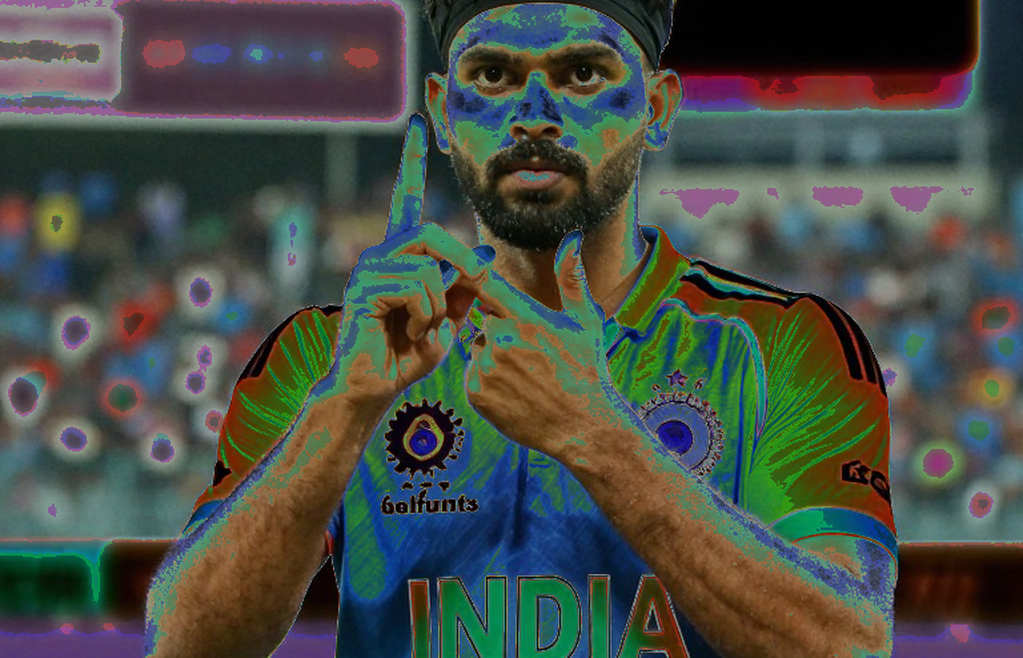
T20's strength is duration: three hours is ideal for television, sponsors and families. That is why the franchise league model has spread from the IPL to the Big Bash, PSL, CPL, ILT20 and Major League Cricket. Test cricket's strength is depth, but it is financially viable in only a handful of countries; elsewhere it is subsidised. ODI sits awkwardly in the middle, sustained largely by the four-year World Cup cycle. The consequence is a generation of players raised on T20 who do not spend years building red-ball technique.
Calendar Load and Player Bodies
International cricket now has a major tournament in some format almost continuously. Fast bowlers carry the heaviest load, with inadequate recovery time between formats and travel. Workload management protects players but devalues bilateral series. Mental fatigue is the least visible problem and support structures remain uneven across boards.
Franchise Cricket: A New Geography of Capital
Investors increasingly own teams across multiple leagues, creating a global capital network that negotiates directly with national boards. Small cricket economies suffer most — the West Indies case shows how league income pulls the best players away from Test duty. Leagues have also reshaped skill development: reverse hits and yorkers are now basic training, while the craft of building a long innings is thinning.
ICC Revenue and the Balance of Power
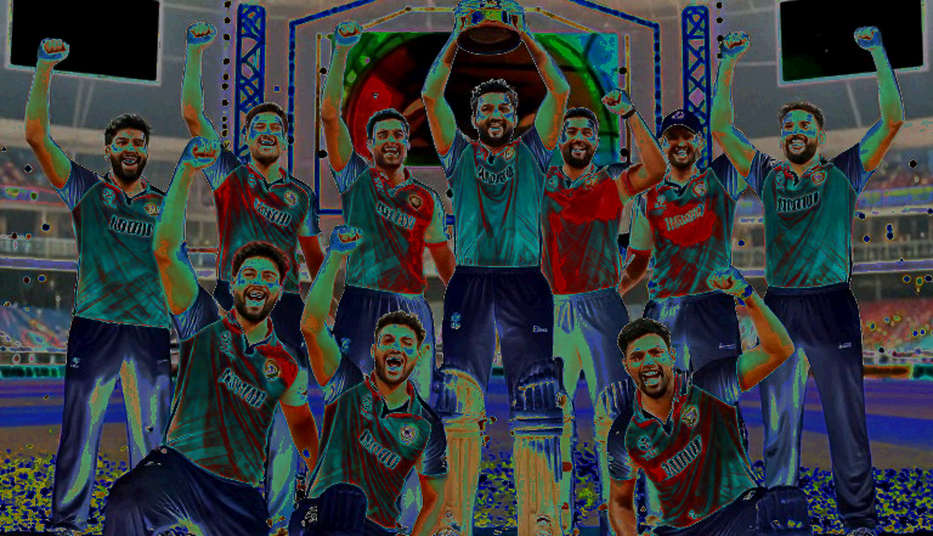
The ICC is formally a body of all members but in practice is shaped by those generating the most revenue, with India the largest contributor. That is disputed but has a logic: the biggest broadcast bids come from the largest market. The risk is a single-market dependency with no insurance mechanism. The World Test Championship gave Test cricket a structure but not parity. Governance transparency remains weak relative to the sport's financial size.
Olympic 2028: America's Bet
Cricket returns to the Olympics in Los Angeles in 2028 in the T20 format, for both men and women. The benefits are real — government funding, school programmes, a new television market, and a boost for the women's game. The risks are equally real: qualification pathways are undecided, and a narrow route would send only the already-fortunate teams. US cricket culture remains thin, and post-Games investment is not guaranteed.
The Growth Curve of Women's Cricket
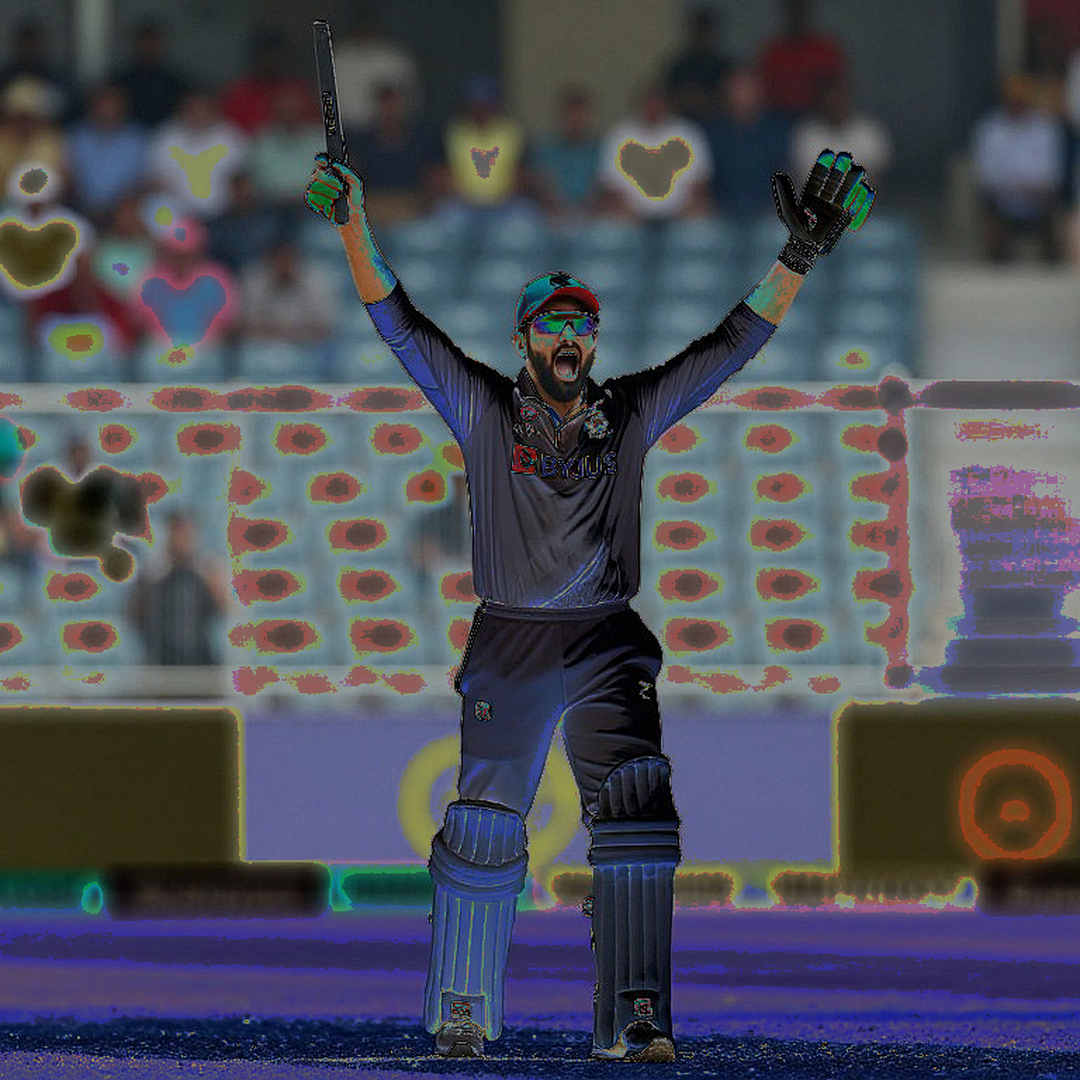
Professionalisation has lifted the women's game sharply in standard and visibility, but the underlying constraint remains money and opportunity. Some boards offer full-time contracts, many do not. Domestic structures remain basic in most places. Olympic inclusion matters because it imposes a parity expectation.
Emerging Nations: Largest Opportunity, Smallest Budget
Afghanistan's rise is the standout example — a war-affected country producing a team capable of beating major sides. But most emerging boards depend on ICC grants, lack domestic first-class calendars, and struggle to secure fixtures against bigger nations. A tiered structure with promotion and relegation would help; opposition comes from those holding power.
Technology: From DRS to AI
Technology has reduced disputes but introduced new ones, particularly around the assumed precision of ball tracking. In coaching, high-speed cameras and biomechanical analysis are now standard at well-funded boards and absent elsewhere — a new axis of inequality.
Broadcast, Streaming and Viewer Habits
Cricket's economics rest on broadcast rights rather than tickets, which means the real customer is the broadcaster. Streaming has fragmented viewing across subscriptions, and small boards depend on collective ICC deals that, if weakened, could end their international coverage.
Pitch, Weather and Climate
Climate change is already altering playing conditions and pitch behaviour, which in turn shifts the balance between spin and pace and increases home advantage. There is no formal ICC climate risk framework.
Politics and Polarisation
Cricket has never been separate from politics. Some teams do not play each other, and tournament structures are shaped accordingly. Clear protocols on cancellation, player safety and decision authority are needed.
Mental Health and Professional Structure
Players now speak openly about workload and mental health, but support structures are uneven and often sit under team management whose priority is performance. The constant public exposure of players' lives adds a distinct burden.
Grassroots: The Talent Supply Chain
Domestic structures are the most neglected link. Shrinking red-ball calendars create a cycle: weaker domestic cricket, fewer Test-ready players, lower Test quality, lower revenue. Money alone is not the answer; clear incentive structures and promotion pathways matter more.
The Economics: Who Is Earning
Wealth distribution in cricket is deeply unequal, and leagues have widened it because franchise investment follows audience size. Talent flows like capital, which is natural, but a sport competitive in only four countries stops being global.
Five Questions for the Next Five Years
A sustainable calendar; the future of Test cricket as a public good; the balance between leagues and national duty; ICC transparency and representation; and reducing dependence on a single revenue market.
Conclusion
The opportunities — Olympics, women's cricket, new nations, new technology — are historic. The problems — calendar, workload, inequality, governance — are long deferred. No board or league can solve them alone. The next real success will not come from expansion but from restructuring what already exists.